
YOUR FLAVOR COMBINATION
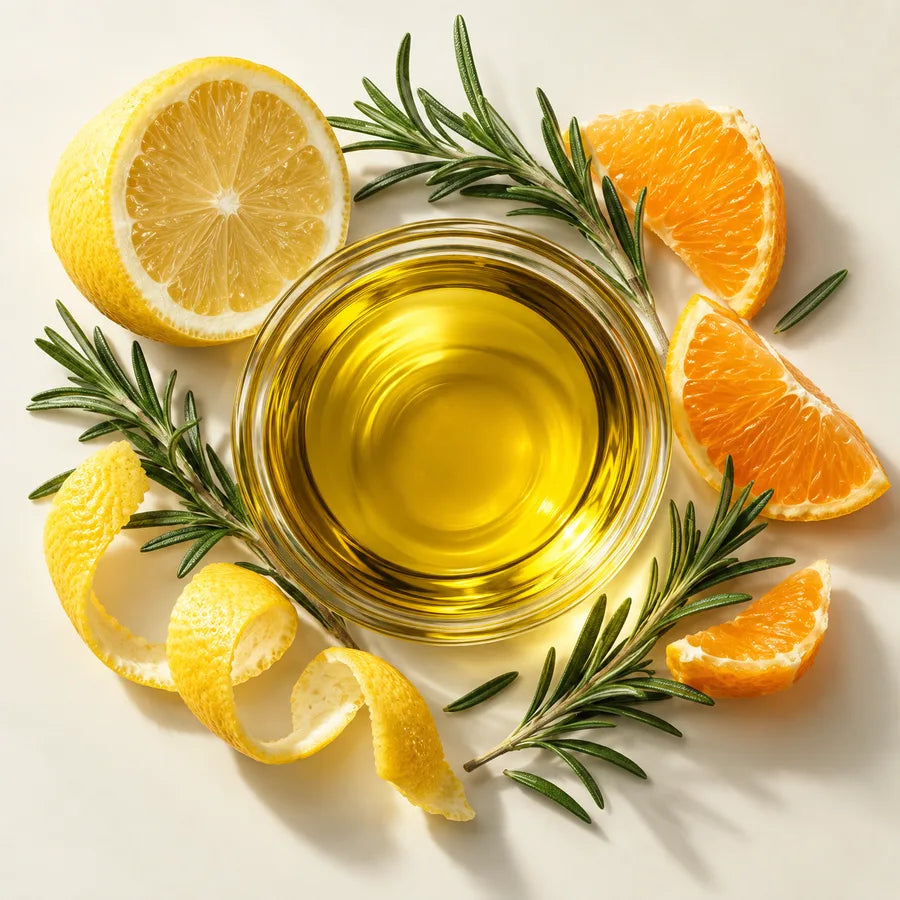
Lemon zest + Rosemary
Lemon gives rosemary’s woody character a brighter edge. Start here for a savory flavor direction that can suit bread, vegetables or a dressing recipe.
Explore pairingTHE CANNAFUSE FLAVOR LAB
An interactive flavor wheel for herbs, spices & infusion ideas
Find a flavor you love. Add an unexpected partner. Explore 303 ingredient pairings for your next kitchen creation.
01 / MAKE IT YOURS
Combine a flavor family, an ingredient and a base. Every result comes from our curated pairing library.
303 distinct pairings
YOUR FLAVOR COMBINATION
Lemon gives rosemary’s woody character a brighter edge. Start here for a savory flavor direction that can suit bread, vegetables or a dressing recipe.
Explore pairingYOUR FLAVOR COMBINATION
Orange peel adds a fresh aromatic lift to cinnamon’s familiar warm-spice character. Explore this combination in a baking, glaze or drink recipe.
Explore pairingYOUR FLAVOR COMBINATION
Basil contributes sweet green aroma while lemon adds a clean citrus note. Together they suggest a fresh direction for dressings and vegetable dishes.
Explore pairing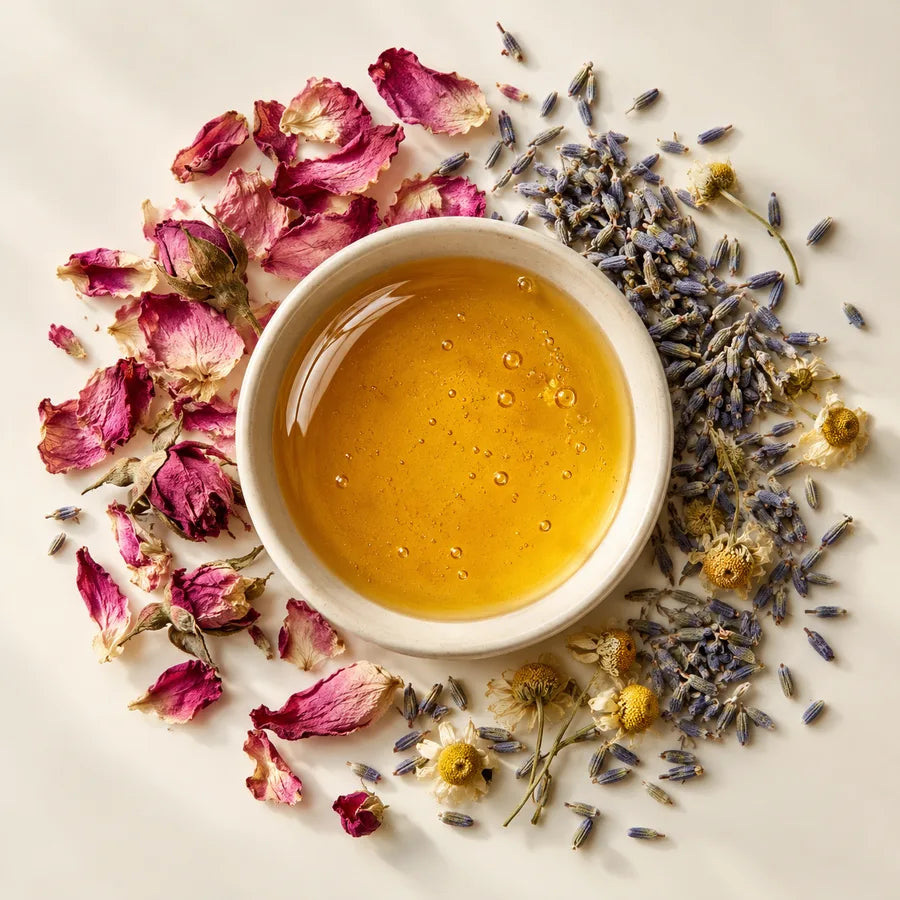
YOUR FLAVOR COMBINATION
Vanilla gives culinary lavender a rounded aromatic partner. Keep lavender restrained in a measured recipe so its floral character stays balanced.
Explore pairing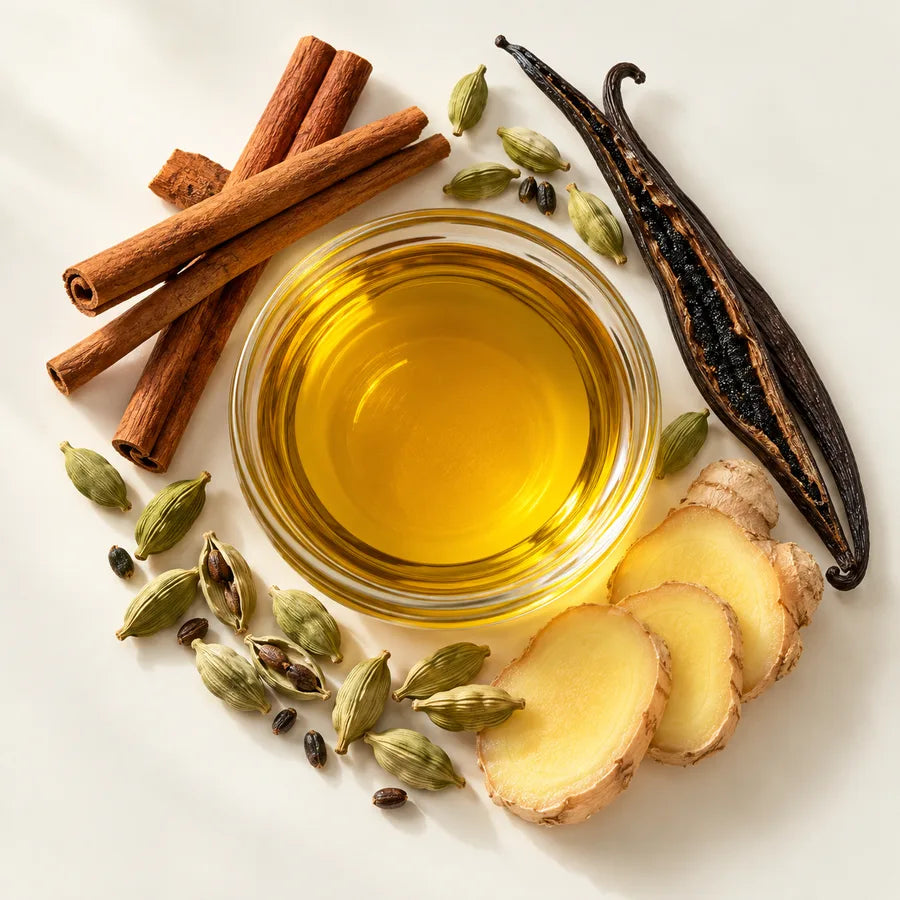
YOUR FLAVOR COMBINATION
Cardamom’s fragrant warm-spice notes sit alongside the soft perfume of culinary rose. This is a useful direction for a measured dessert or syrup recipe.
Explore pairing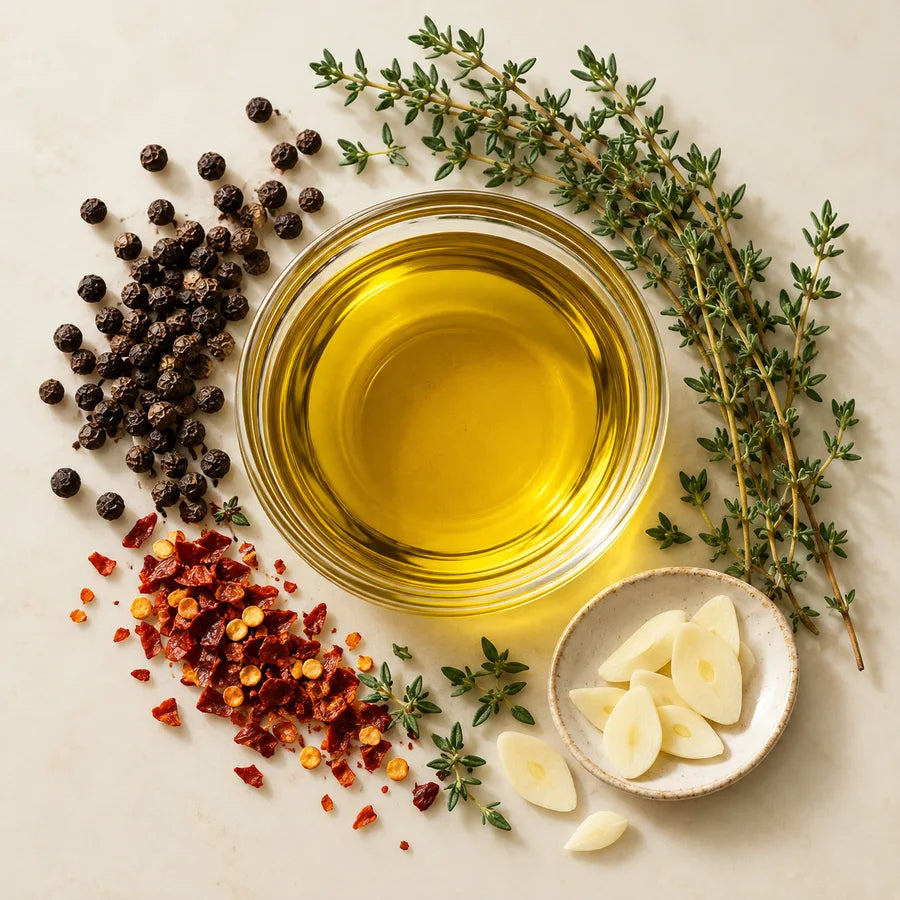
YOUR FLAVOR COMBINATION
Garlic supplies the savory lead, while thyme adds a quieter earthy-herbal layer. Follow a complete recipe and appropriate fresh-ingredient oil handling.
Explore pairingNo pairings match these filters. Try another base, remove a flavor family or clear your search.
Flavor inspiration, not a tested recipe. Use a complete recipe for amounts, preparation and storage.
Favorites stay in this browser on this device. No account is needed.
02 / GET TO KNOW YOUR PALATE
Learn the character of each flavor family, then choose a pairing that suits what you want to make.
01Bright. Fresh. Zesty.
Explore citrus flavor pairings for infused oils, butter and sweet bases. Lemon, orange and lime can lift an herbal combination or bring contrast to warm spices. Zest suggests aromatic peel notes; juice brings water and acidity, so they are not interchangeable in an infusion recipe. Start with a citrus ingredient, choose a complementary herb or spice, and use the base filter to narrow the ideas.
Try lemon with rosemary for a savory direction, or orange with vanilla for a sweet one.
Explore this family 02
Green. Fragrant. Layered.
Herbal flavor profiles range from soft basil and mint to resinous rosemary and earthy sage. Think about the finished dish before choosing a partner: leafy herbs can suggest a fresh finish, while woody herbs suit more assertive combinations. Citrus, pepper and garlic offer different ways to build on that character. Fresh and dried herbs behave differently, so follow the form and quantity specified in your chosen recipe.
Keep a strong herb as the lead and choose a quieter partner to give it room.
Explore this family03Delicate. Aromatic. Unexpected.
Floral flavor pairing is about fragrance and restraint. Culinary rose, lavender and chamomile can suggest gentle aromatic notes alongside citrus, vanilla or cardamom. Honey and syrup are useful directions to explore for a recipe, while butter can carry floral notes into baking. Use only ingredients sold for culinary use, and check the exact edible species or product. Flowers from a florist and fragrance oils are not substitutes.
Begin with a familiar partner such as vanilla or lemon when exploring a new floral ingredient.
Explore this family04Toasty. Rounded. Comforting.
Warm flavor profiles include cinnamon, vanilla, ginger and cardamom, along with roasted notes from cacao and coffee. Some combinations lean sweet; others work with pepper, cumin or citrus in savory cooking. The base changes the result: butter adds richness, coconut oil brings its own character, and honey adds sweetness. Whole spices, ground spices and extracts are different ingredients, so use the format called for in a complete recipe.
Choose citrus for contrast, vanilla for roundness, or a second spice for a more layered profile.
Explore this family05Earthy. Peppery. Bold.
Savory infusion ideas start with herbs, pepper, garlic and earthy spices. Olive oil can contribute its own grassy character, while a neutral oil gives the selected ingredients more space. Try a familiar pair first, then change a single element to understand its contribution. These are flavor-planning ideas, not directions for preserving ingredients in oil. Fresh garlic and herb oils need specific food-safety handling; use the preparation and storage guidance linked below.
Explore rosemary with black pepper, lemon with thyme, or garlic with oregano.
Explore this family03 / THE INGREDIENT LIBRARY
Browse 61 ingredient profiles, with aroma notes, culinary uses and complementary partners. Search by name or flavor family.
rounded clove-like warm spice
Allspice is a single spice with a complex warm aroma. It works as a bridge between citrus, familiar baking spices and some savory directions.
Culinary directions: baking, glazes, savory dishes
Pairing partners:
clear sweet licorice aroma
Anise seed gives a direct licorice-like aromatic note. It is distinct from star anise, so use the ingredient and quantity named in the recipe.
Culinary directions: biscuits, bread, desserts
Pairing partners:
sweet green herbal notes
Basil brings leafy sweetness and a fresh herbal aroma. Citrus can sharpen its profile, while garlic or pepper moves the idea toward savory cooking.
Culinary directions: pasta, dressings, fruit dishes
Pairing partners:
woody pungent pepper notes
Black pepper adds aromatic warmth and a peppery finish. It can accent citrus and herbs as well as selected sweet-spice combinations.
Culinary directions: vegetables, dressings, sauces
Pairing partners:
brisk tannic tea notes
Black tea contributes a distinct tea aroma and tannic edge. Strong extraction can taste astringent, so use a recipe designed for tea.
Culinary directions: tea-inspired desserts, drink ideas, syrups
Pairing partners:
rich fragrant orange-peel aroma
Blood orange zest brings an orange-peel character with a distinctive fruit association. Use it as a citrus direction, rather than a promise of red color in an oil.
Culinary directions: cakes, dessert sauces, dressings
Pairing partners:
bitter roasted chocolate notes
Cacao nibs suggest roasted chocolate aroma with bitterness rather than sweetness. Nibs and cocoa powder behave differently in recipes and filtering.
Culinary directions: desserts, drink ideas, baking
Pairing partners:
fragrant citrusy warm-spice notes
Cardamom combines warm spice with a fragrant citrus-like edge. It can connect vanilla, coffee and floral ingredients in sweet recipe ideas.
Culinary directions: baking, desserts, tea blends
Pairing partners:
fruity warm chili heat
Chili flakes add heat along with pepper aroma. Heat varies by product, so a pairing idea is not a measurement or a promise of mildness.
Culinary directions: pizza, vegetables, glazes
Pairing partners:
bright distinctive green notes
Cilantro has a bold green aroma that people perceive differently. Citrus, ginger and warm savory spices offer several directions for those who enjoy it.
Culinary directions: dressings, rice dishes, vegetables
Pairing partners:
sweet woody spice notes
Cinnamon contributes a familiar sweet-spice direction. Citrus adds contrast, while vanilla and other warm spices build a rounder combination.
Culinary directions: baking, desserts, drink ideas
Pairing partners:
intense sweet pungent spice
Clove has a powerful aromatic character. Treat it as an accent in a complete recipe, especially when combining it with other assertive spices.
Culinary directions: baking, glazes, warm drinks
Pairing partners:
roasted bittersweet notes
Coffee brings roasted bitterness and aromatic depth. The brew, beans and grounds are different recipe ingredients; this directory describes the flavor direction.
Culinary directions: desserts, sweet sauces, drink ideas
Pairing partners:
citrusy warm seed notes
Coriander seed has a warm, citrus-like aroma very different from cilantro leaves. It can link cumin or pepper with a bright citrus partner.
Culinary directions: dressings, vegetables, bread
Pairing partners:
fragrant floral-citrus aroma
Culinary bergamot peel has a perfumed citrus character associated with Earl Grey tea. Use a food ingredient, never a fragrance or essential oil.
Culinary directions: tea-inspired desserts, shortbread, drink ideas
Pairing partners:
gentle apple-like floral notes
Culinary chamomile has a soft floral aroma often associated with apples. Vanilla, lemon and mild herbs make approachable partners for sweet recipe ideas.
Culinary directions: desserts, herbal drinks, glazes
Pairing partners:
light fragrant floral notes
Use a commercially prepared culinary elderflower product or edible dried flowers from a food supplier. Its delicate character suits citrus-forward drink and dessert ideas.
Culinary directions: drink ideas, syrups, desserts
Pairing partners:
tart fruity-floral notes
Culinary hibiscus calyces bring a tart, fruity-floral character in water-based preparations. The rich color of a tea does not imply the same extraction in oil.
Culinary directions: drink ideas, syrups, dessert sauces
Pairing partners:
perfumed floral herbal notes
Culinary lavender offers a strong floral-herbal aroma. Small amounts can be distinctive; too much can seem soapy. Use a culinary product and a measured recipe.
Culinary directions: shortbread, desserts, drink ideas
Pairing partners:
soft fragrant floral notes
Culinary rose petals bring a recognizable floral direction. Petals and rose water have different strengths and are not one-for-one substitutions.
Culinary directions: desserts, tea blends, drink ideas
Pairing partners:
strong sweet licorice aroma
Use culinary Chinese star anise from a food supplier. It adds an assertive licorice-like aroma; it should not be confused with ornamental or other star-anise species.
Culinary directions: desserts, warm drinks, sauces
Pairing partners:
tart fruity spice notes
Culinary sumac gives a tangy spice direction. Buy the prepared food ingredient; do not substitute wild or ornamental plants with a similar name.
Culinary directions: dressings, vegetables, savory finishes
Pairing partners:
earthy warm savory notes
Cumin gives a distinctive earthy warm-spice foundation. Citrus or coriander seed can add brightness, while chili and paprika build a fuller savory direction.
Culinary directions: vegetables, rice dishes, dressings
Pairing partners:
fresh grassy anise-like notes
Dill brings a light, grassy aroma with a gentle anise association. Lemon, mild pepper and other soft herbs keep the direction fresh.
Culinary directions: dressings, potato dishes, vegetables
Pairing partners:
earthy mushroom notes
Dried shiitake suggests an earthy mushroom direction. Use a food-grade mushroom ingredient and a complete recipe; an oil pairing is not a storage method.
Culinary directions: sauces, rice dishes, vegetables
Pairing partners:
sweet anise-like seed notes
Fennel seed brings a sweet anise impression that can lean savory or sweet. Citrus and pepper give it a different direction from vanilla or warm spices.
Culinary directions: bread, vegetables, desserts
Pairing partners:
pungent savory allium notes
Garlic brings a pronounced savory direction. Fresh garlic in oil has specific food-safety requirements; flavor compatibility does not establish a safe preservation method.
Culinary directions: pasta, vegetables, dressings
Pairing partners:
bright pungent warm notes
Ginger brings both aromatic brightness and warmth. Fresh ginger and dried ginger are different ingredients; select the format specified by a tested recipe.
Culinary directions: dressings, desserts, drink ideas
Pairing partners:
bittersweet citrus aroma
Grapefruit zest brings a pleasantly bitter edge to citrus combinations. Floral or herbal partners can make that edge feel deliberate rather than hidden.
Culinary directions: desserts, dressings, drink ideas
Pairing partners:
fragrant tea and floral notes
Jasmine tea combines tea character with floral fragrance. Use food-grade tea rather than an unidentified jasmine flower or ornamental plant.
Culinary directions: tea-inspired desserts, drink ideas, sweet sauces
Pairing partners:
sweet-bitter citrus peel
Kumquat peel suggests sweet citrus fragrance with a bitter counterpoint. In this directory the pairing refers to culinary peel, not whole fruit stored in oil.
Culinary directions: dessert ideas, glazes, dressings
Pairing partners:
soft leafy lemon aroma
Lemon balm contributes a delicate green lemon impression. It can accompany gentle floral notes without the same sharp peel character as citrus zest.
Culinary directions: herbal drinks, fruit desserts, sweet finishing ideas
Pairing partners:
vivid leafy lemon fragrance
Lemon verbena has a pronounced lemon-like aroma. Pair the culinary leaves with subtle floral notes, vanilla or other citrus ingredients in a suitable recipe.
Culinary directions: desserts, herbal drinks, fruit dishes
Pairing partners:
bright lemon-peel aroma
Lemon zest brings a clean citrus top note. The colored peel and the bitter white pith contribute different tastes; juice is a different recipe ingredient.
Culinary directions: dressings, shortbread, vegetable finishes
Pairing partners:
grassy lemon fragrance
Lemongrass has a grassy citrus aroma that works in both savory and sweet directions. Its fibrous texture calls for a recipe with appropriate preparation and straining.
Culinary directions: broths, dressings, drink ideas
Pairing partners:
sharp green-citrus aroma
Lime zest offers an assertive citrus direction. Pair its fragrant peel character with green herbs, ginger or coconut in a recipe designed for those ingredients.
Culinary directions: dressings, rice dishes, drink ideas
Pairing partners:
soft sweet-citrus aroma
Mandarin zest suggests a gentle citrus profile. It is an approachable starting point for vanilla, mild spices and aromatic tea-inspired combinations.
Culinary directions: baking, fruit desserts, drink ideas
Pairing partners:
soft sweet savory-herb notes
Marjoram offers a gentler sweet-herbal direction than oregano. It fits with citrus, garlic and pepper when a quieter herb profile is wanted.
Culinary directions: vegetables, dressings, bread
Pairing partners:
gentle floral-lemon aroma
Meyer lemon zest can suggest a softer, more floral citrus direction. Delicate herbs and warm aromatics make useful partners to explore.
Culinary directions: shortbread, dressings, desserts
Pairing partners:
cool fresh green aroma
Mint contributes a cooling aromatic impression. It pairs naturally with citrus and gives cocoa, tea and floral combinations a fresh contrast.
Culinary directions: desserts, fruit dishes, drink ideas
Pairing partners:
sharp nutty mustard notes
Mustard seed contributes a distinctive savory direction. Whole, ground and prepared mustard are not interchangeable; mustard is an allergen for some people.
Culinary directions: dressings, vegetables, sauces
Pairing partners:
warm woody nut-like spice
Nutmeg lends a rounded warm-spice impression. It is a culinary seasoning, not an ingredient to use in large amounts or as a concentrated drink.
Culinary directions: baking, cream sauces, desserts
Pairing partners:
perfumed citrus-flower notes
Food-grade orange blossom water is a concentrated culinary aromatic, not a fat infusion ingredient. Use it only in recipes written for that product.
Culinary directions: desserts, glazes, drink ideas
Pairing partners:
rounded sweet-orange aroma
Orange zest has a rounder citrus character than lemon. It can bridge floral notes and warm spices without making a pairing taste purely sweet.
Culinary directions: cakes, glazes, drink ideas
Pairing partners:
robust peppery herbal notes
Oregano contributes a sturdy savory-herb character. Garlic, citrus and pepper create familiar directions for dressings and vegetable dishes.
Culinary directions: dressings, vegetables, tomato dishes
Pairing partners:
clean grassy herbal notes
Parsley is a comparatively gentle green partner. It can soften the overall impression of garlic, lemon or stronger herbs without becoming the dominant aroma.
Culinary directions: dressings, vegetables, grain dishes
Pairing partners:
fruity resinous pepper notes
Pink peppercorns are a different botanical ingredient from black pepper. Use a culinary product and check supplier allergen guidance, particularly for tree-nut allergies.
Culinary directions: dressings, desserts, sauces
Pairing partners:
soft woody tea-like notes
Rooibos has a rounded, woody aromatic character. It can support vanilla, citrus and warm spices in tea-inspired desserts and drinks.
Culinary directions: tea-inspired desserts, drink ideas, syrups
Pairing partners:
resinous woody herb notes
Rosemary has a firm, pine-like herbal character. It is a strong lead ingredient, so use a complete recipe to balance it against citrus, pepper or gentler herbs.
Culinary directions: roasted vegetables, bread, shortbread
Pairing partners:
distinctive hay-like floral notes
Saffron has an intense, individual aroma with floral and savory associations. It is a direction for a complete recipe, not a substitute for every floral ingredient.
Culinary directions: rice dishes, desserts, sauces
Pairing partners:
earthy camphor-like herb notes
Sage has an earthy, distinctive aroma that readily becomes the lead. Rich bases and a modest citrus or spice partner create useful directions to explore.
Culinary directions: pasta, squash dishes, bread
Pairing partners:
nutty toasted seed notes
Sesame offers a nutty direction that changes with toasting. Sesame is a major food allergen; check every ingredient in the complete recipe.
Culinary directions: dressings, rice dishes, desserts
Pairing partners:
smoky sweet pepper notes
Smoked paprika brings smoky pepper character. Sweet and hot varieties differ; use the type required by the recipe rather than assuming the same heat level.
Culinary directions: vegetables, dressings, savory sauces
Pairing partners:
delicate anise-like herb notes
Tarragon has a distinctive anise-like aroma. Try it beside lemon or gentle pepper notes when planning sauces, dressings or a flavored butter recipe.
Culinary directions: sauces, dressings, vegetables
Pairing partners:
earthy gently floral herb notes
Thyme bridges earthy and delicate herbal flavors. It can sit beside lemon or garlic in savory ideas and beside honey in a sweeter direction.
Culinary directions: vegetables, dressings, bread
Pairing partners:
toasty sweet coconut notes
Toasted coconut adds both a coconut impression and roasted depth. It is a separate ingredient from coconut oil and may require different straining.
Culinary directions: desserts, baking, sweet sauces
Pairing partners:
earthy slightly bitter spice notes
Turmeric adds an earthy character and yellow pigment. This is a culinary flavor entry, not a health claim; its color can mark utensils and surfaces.
Culinary directions: rice dishes, vegetables, warm drink ideas
Pairing partners:
rounded sweet aromatic notes
Vanilla bean suggests sweetness through aroma even before sugar is added. Beans, pastes and extracts are different products with different recipe roles.
Culinary directions: baking, desserts, drink ideas
Pairing partners:
complex aromatic citrus peel
Yuzu offers a distinctive citrus-peel direction. Fresh zest, dried peel and prepared yuzu products differ; choose the form specified in the recipe.
Culinary directions: dressings, desserts, drink ideas
Pairing partners:
No ingredients match that search.
04 / A FEW GOOD QUESTIONS
A flavor pairing wheel groups ingredients by their dominant aromatic character. CannaFuse Flavor Lab uses five families: citrus, herbal, floral, warm and savory. Select one or two families to discover ingredient combinations, then narrow the list by ingredient or base. These families are browsing categories, not scientific scores.
Start with the finished dish and one ingredient you enjoy. Pick a partner that adds a useful contrast or a related aroma. Lemon and rosemary suggest a bright, woody direction; orange and cinnamon lean warm and aromatic. Use a complete recipe to establish amounts, ingredient form, preparation and storage.
Choose a base that fits the recipe and intended use. Olive oil has its own flavor, butter adds dairy richness, and coconut oil varies between refined and virgin styles. Honey is sweet, while syrup is water-based. The filter offers flavor directions; it does not make these bases interchangeable in a preparation method.
No. They are editorial flavor suggestions from an explicit library of ingredient pairs. Each result includes flavor notes, base options and culinary directions. The count represents unique ingredient pairs, not every possible base variation. Use a complete, reliable recipe before preparing food.
No. Fresh and dried herbs, citrus zest and juice, and extracts all behave differently. Follow the ingredient form in the recipe. Use ingredients sold for culinary use; do not use fragrance oils, florist flowers or unidentified plants. Flavor Lab does not recommend essential oils.
Do not assume homemade infused oil is shelf-stable. Fresh ingredients in oil can create a botulism risk. Follow the USDA guidance and tested university-extension methods linked below; an appealing flavor combination is not a food-preservation instruction.
Yes. Open a pairing to save it in this browser, copy its link, or print the pairing notes. Saved favorites stay on the current device and can disappear if browser storage is cleared. The share link restores the selected pair and base.
No. Flavor Lab explores culinary aroma and taste directions. It does not calculate cannabinoid potency, predict health effects or recommend a dose. Keep flavor planning separate from those questions.
Explore the CannaFuse infusion guide, learn about aroma, or browse recipes for a complete preparation method.
Original editorial flavor suggestions built from an explicit ingredient-pair list. These are not kitchen-tested recipes, scientific compatibility scores, potency recommendations or preservation instructions. Base choices express culinary directions; follow a complete recipe for preparation and storage.
Ingredient photographs illustrate the flavor families; they are not photographs of every listed pairing.
Fresh garlic, herbs and vegetables in oil can support botulism-causing bacteria. USDA advises making these mixtures fresh and refrigerating leftovers for use within three days, freezing them, or discarding them. A flavor pairing does not make an oil shelf-stable. Follow a tested recipe and its storage directions.
THE CANNAFUSE STUDIO
A few useful places to go next.